Every year for Vyshyvanka Day, feeds fill with photos in traditional dress and quotes from writers. This time we wanted to try something different — and ask a simple question: what if we met famous Ukrainian classics today? Not in a textbook or a school portrait, but in perfectly ordinary situations familiar to all of us.
Why Textbook Classics Feel So Flat
In school curricula, Ukrainian writers are often presented through a few fixed images: Shevchenko — a grandfather in a sheepskin coat, Lesya Ukrainka — "the great sick one," Franko — "the eternal stonecutter." These images have long become part of the cultural code. But at the same time they greatly simplify real people. In reality, these were educated, active, modern-for-their-time individuals — with complex characters, ambitions, travels, and a sense of style.
What We Did
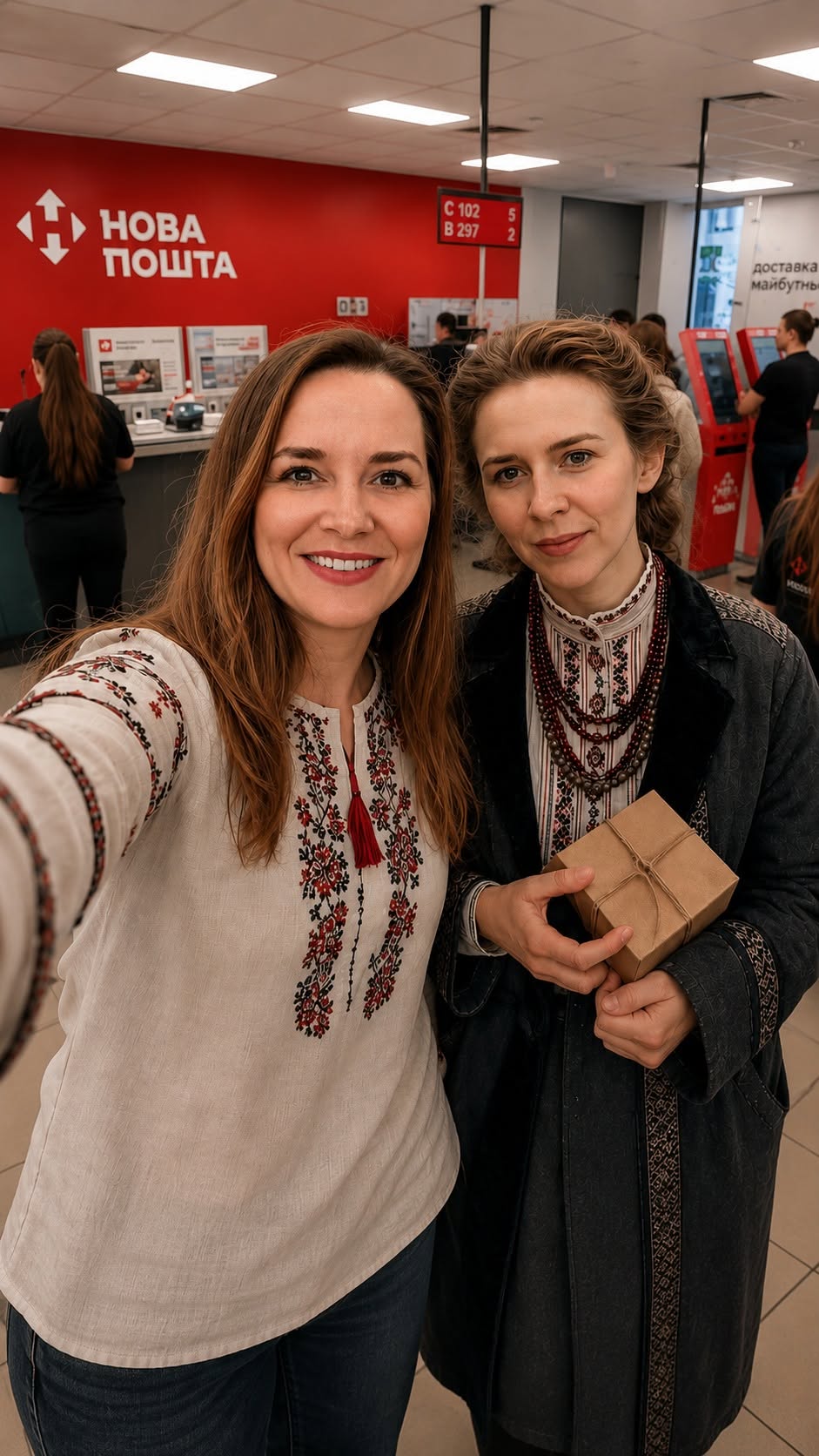
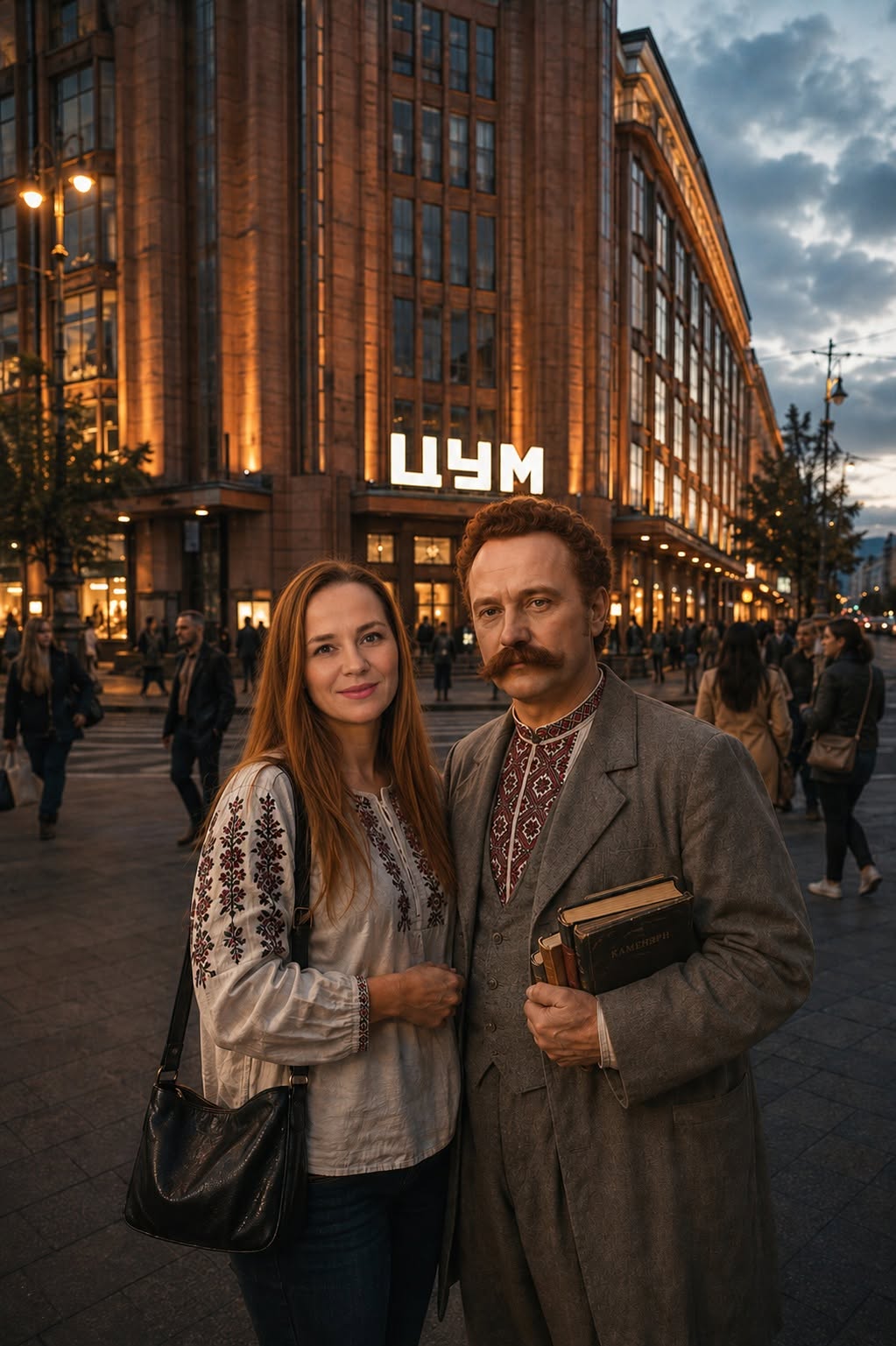
Using generative AI, we imagined several classics in a modern context: Lesya Ukrainka taking a selfie outside a Nova Poshta branch; young Taras Shevchenko having coffee in the center of Kyiv; Ivan Franko walking through a modern city.
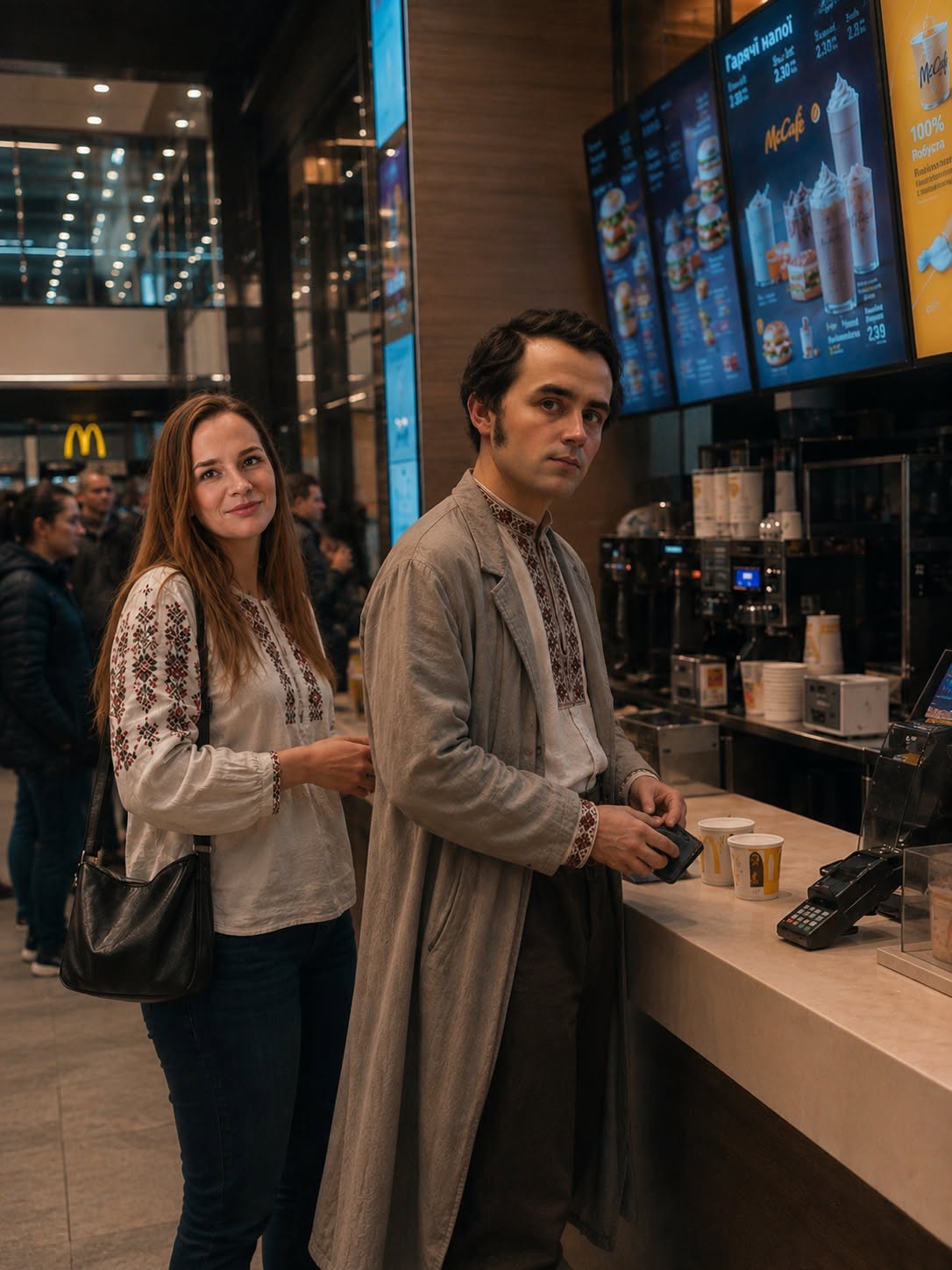
Why These Experiments Work
Our brains remember stories better than dates. When a person sees a familiar writer in an unusual context, they start asking questions: what was he really like? What is known about her? How much does the real biography differ from the school image? And that is exactly when genuine curiosity appears.
Generative AI isn't only about automation and productivity. Sometimes it's simply a way to look at familiar things from a different angle. Behind great names stood real people — and perhaps that is what makes history genuinely interesting.