The question of whether artificial intelligence will replace humans has been one of the most popular for several years running. Each time you want to give a simple answer. But reality, as usual, turns out to be more complex.
The Fears Are Shifting
A year ago, most discussions revolved around the scenario of 'AI will replace people.' Today, a different framing is heard more often: 'People who don't use AI will be replaced by people who do.' This is already much closer to what we see in practice. Technology doesn't replace a profession entirely — it changes the way work is done.
Who Will Remain Irreplaceable
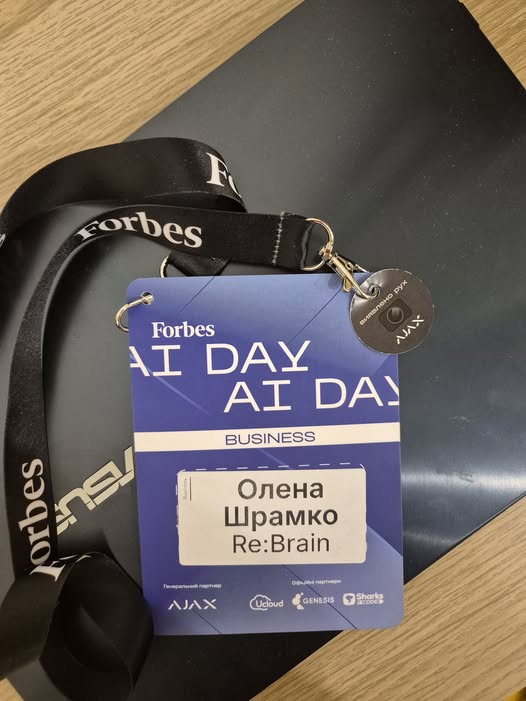
During discussions at Forbes AI Day, there was frequent mention of two categories of people who are significantly harder to replace. Those who work with their hands: electricians, plumbers, technical specialists. Digital systems still interact very poorly with the physical world.
Those who make decisions. AI is excellent at generating options, analyzing data, and finding patterns. But responsibility for the consequences of decisions remains with humans — especially in business.
AI Is an Amplifier
The most accurate description I see: AI is an amplifier. It amplifies a person's strengths. And at the same time amplifies weaknesses. A competent professional gets to work faster. An inattentive one gets to make mistakes faster.
What This Means for Business
For companies, this means the need to invest not only in technology. Training teams, developing critical thinking, and building a culture of decision-making are equally important. AI can significantly increase productivity — but only when used by people who understand their goals and responsibilities.
The key question today is not 'will AI replace us?' but 'how will the value of human skills change in a world where AI is available to everyone?' The more tasks that get automated, the greater the value of people who can think, take responsibility, and make decisions under uncertainty.